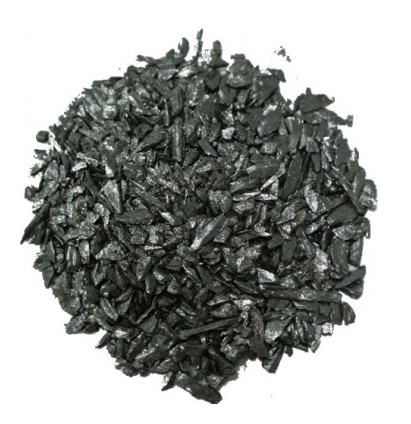
Production Process of Anode Tin-based Materials for Secondary Batteries
Active materials for secondary batteries commence their production pathway by being blended with binders and/or appropriate solutions. This mixture is then evenly applied to the aluminum foil (for cathodes) or copper foil (for anodes) of the current collector. After undergoing a drying process, the materials are further processed to boost their bulk density, ultimately evolving into electrodes. In this article, the spotlight is on the production process of an anode active material—tin-based materials. Tin-based materials, with their relatively high theoretical lithium storage capacity, hold great promise in the field of secondary batteries. Tin-based materials can be chiefly categorized into two types: pure tin, obtained through extraction and purification from natural ores, and tin-based composites, which are fabricated through synthetic methods.
Compared to tin-based composites, pure tin is generally more cost – effective. Pure tin has a straightforward crystal structure, enabling it to store a relatively large number of lithium ions, which is favorable for enhancing battery capacity. However, a significant drawback of pure tin is its substantial volume expansion during lithium insertion and extraction processes. This volume change causes the pulverization of the electrode, resulting in poor cycling stability. Moreover, its electrical conductivity is relatively low, impeding the efficient transfer of electrons. If these issues associated with pure tin can be resolved, its advantages in terms of lower raw material costs compared to tin-based composites and the potential to increase lithium-ion battery capacities could bring substantial benefits to the energy storage industry, especially for applications demanding high energy density.
To address these challenges, nanostructuring tin particles and surface modification can respectively enhance electrical conductivity and mitigate volume expansion. On the other hand, the synthesis of tin-based composites often requires complex and energy – intensive manufacturing processes, making them relatively expensive. The integration of multiple components in composites may also lead to inconsistent performance. Nevertheless, tin-based composites offer the advantage of better control over material properties. For example, by combining tin with conductive polymers or carbonaceous materials, the composite can effectively buffer the volume change of tin and improve electrical conductivity. In the production of tin-based composites, advanced powder processing and nanostructuring technologies are essential both before and after composite formation. To optimize the performance of active materials, controlling the interface between different components in the composite is crucial. Since tin has poor wettability with most common solvents, special solvents or surfactant – assisted techniques are necessary to prepare slurries for coating onto current collectors. Although attempts have been made to use water – based solvents, compatibility issues remain a hurdle. Thus, processes to improve the wettability of tin particles are commonly adopted.
Milling
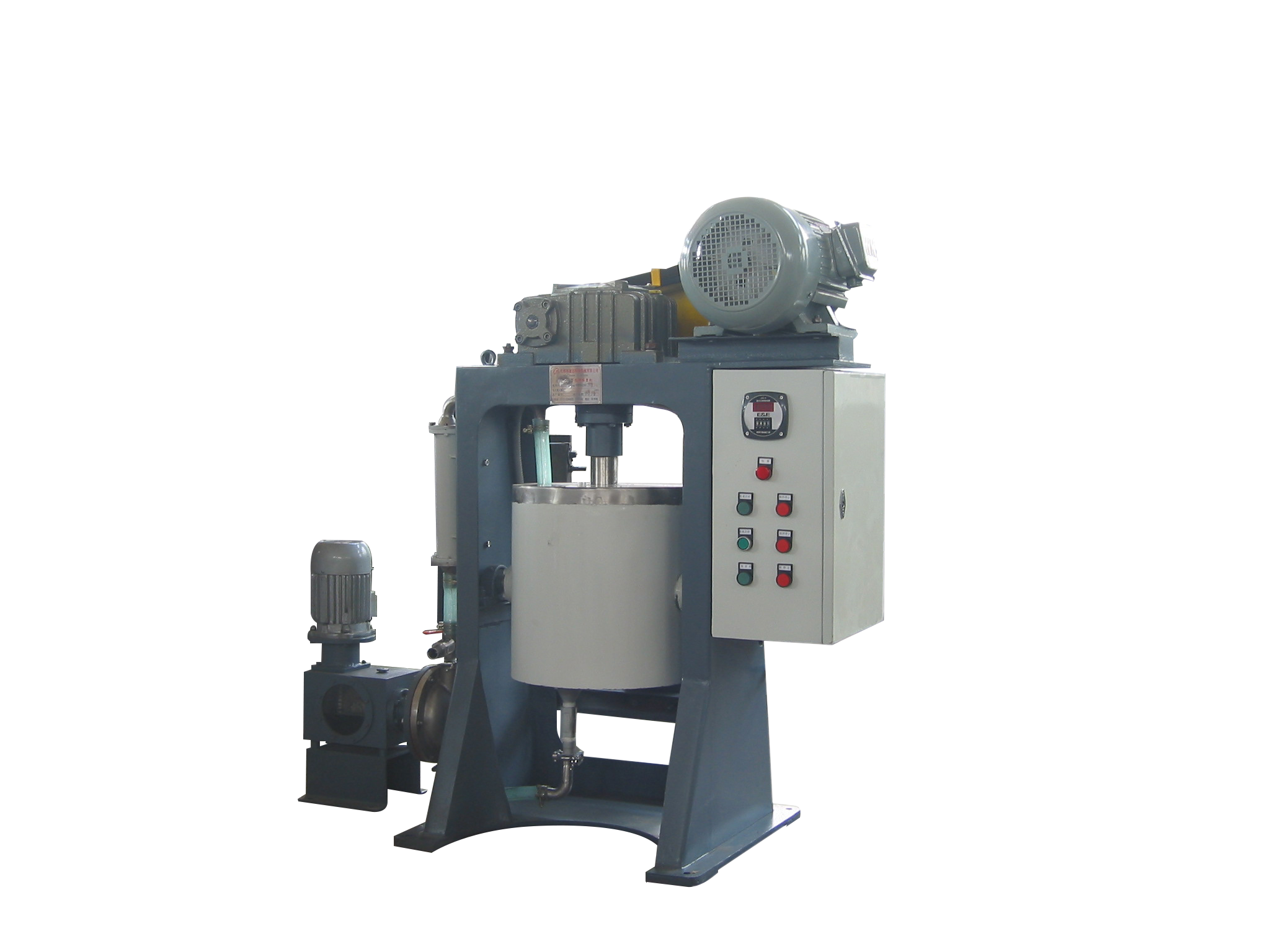
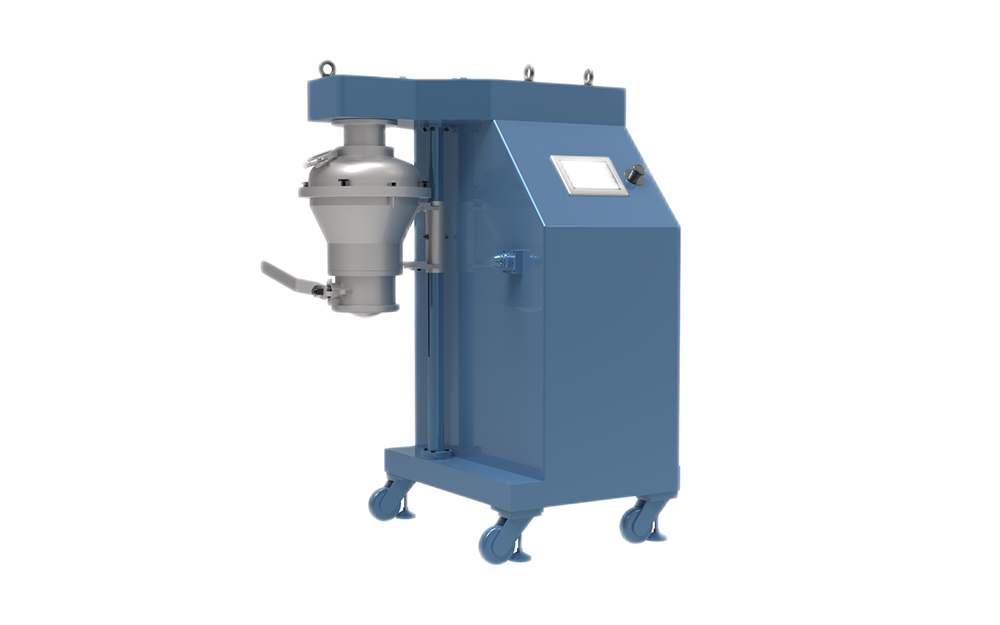
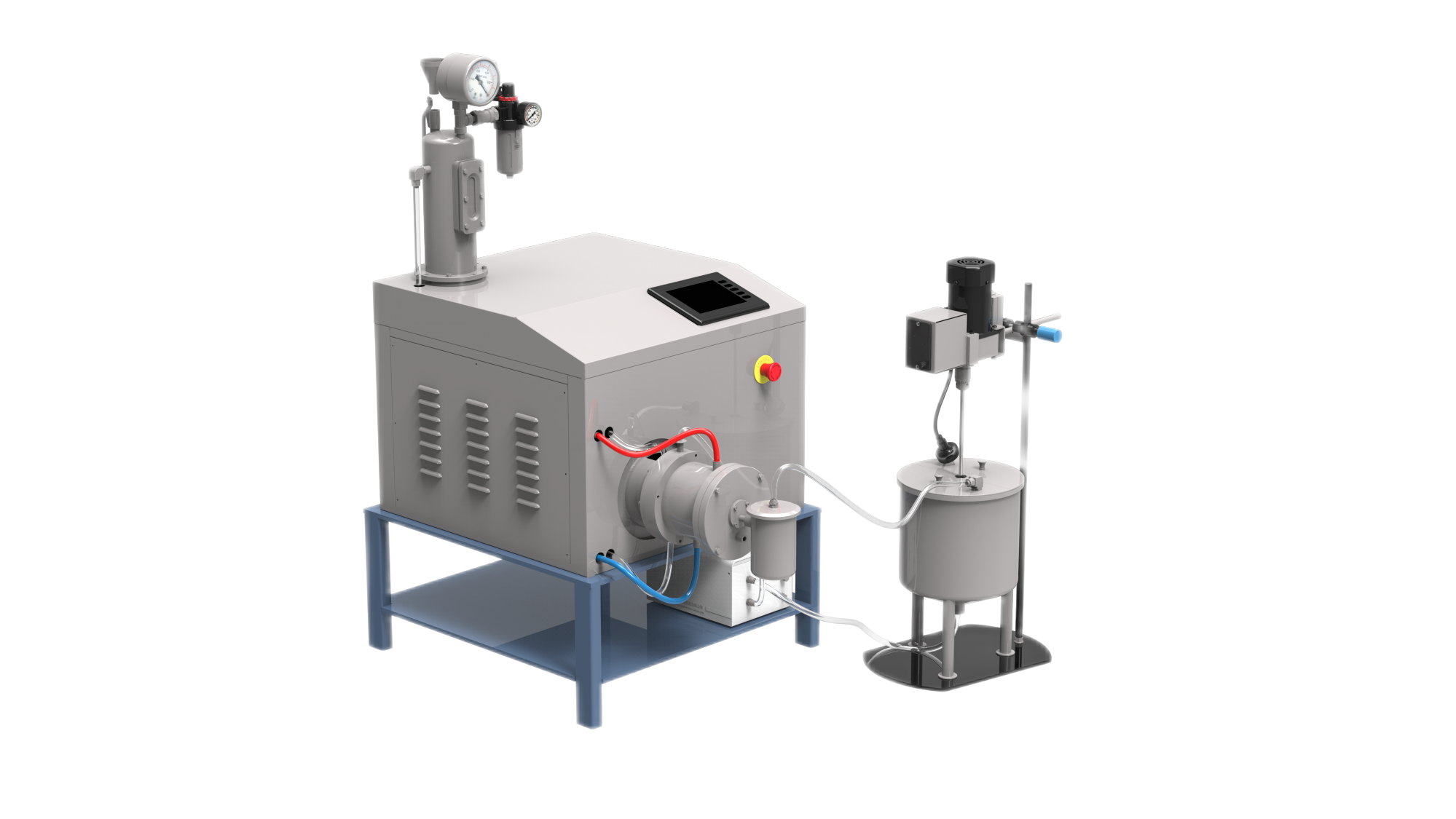
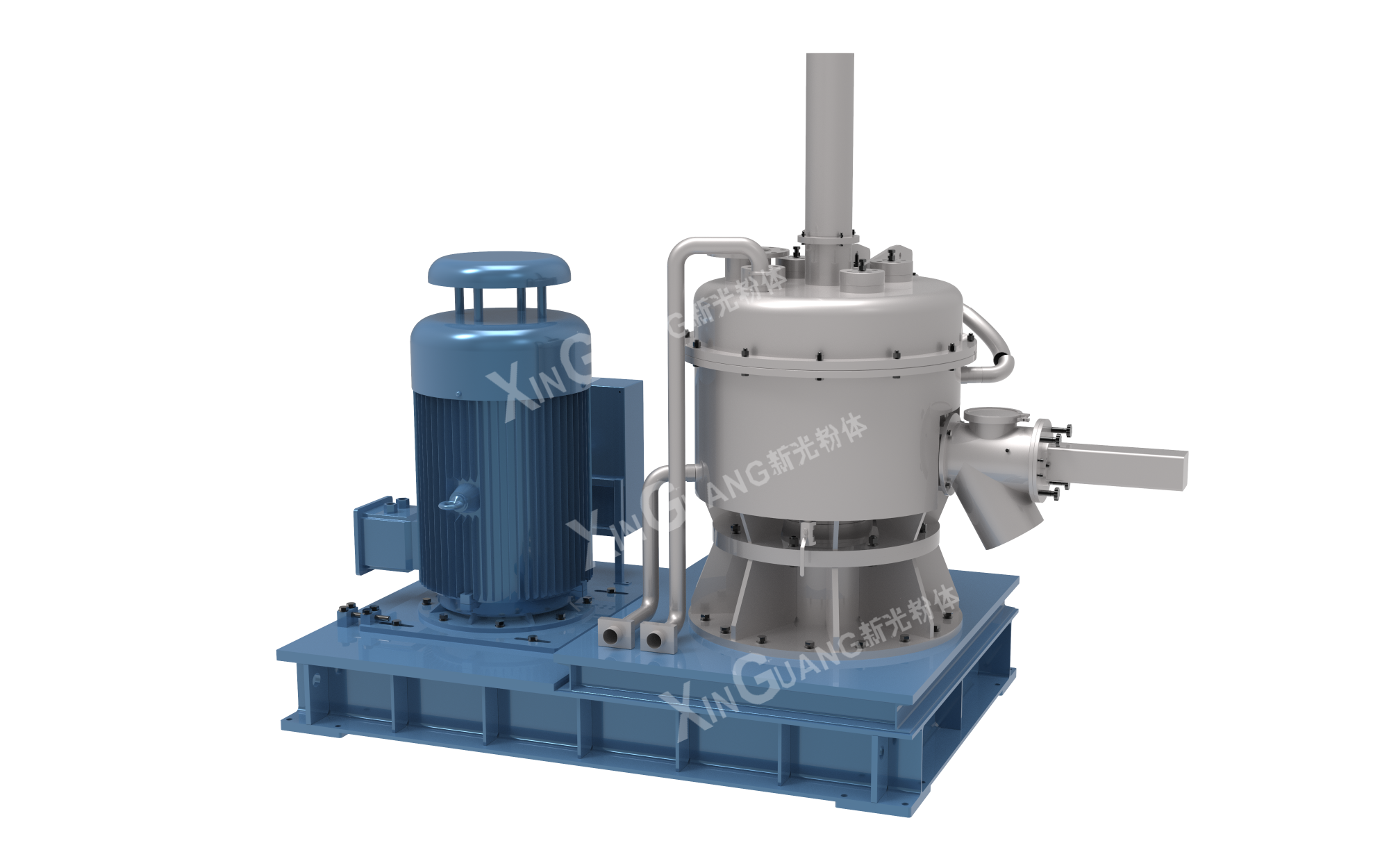
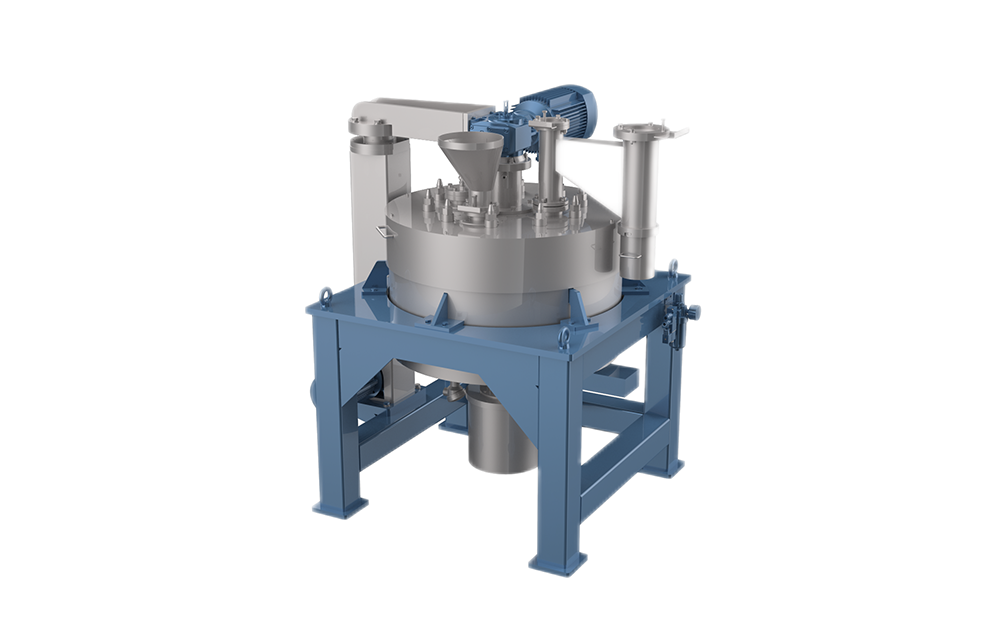
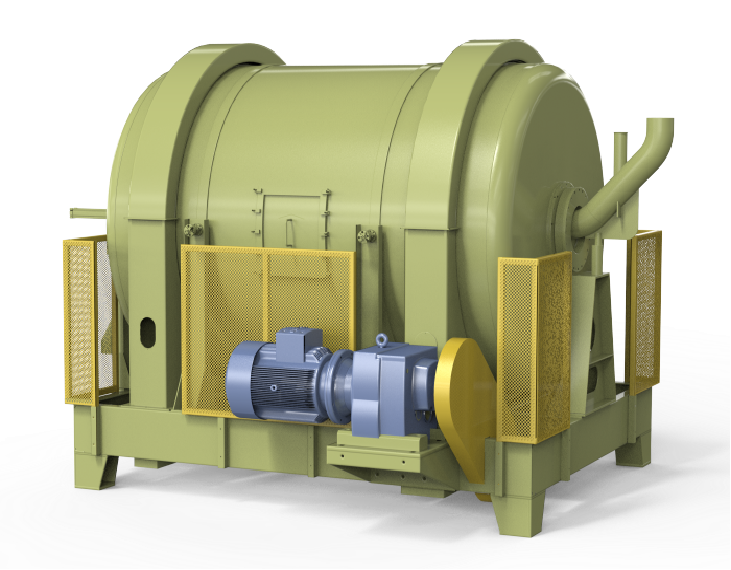
For the production of high – quality tin-based materials, especially tin-based composites, a grinding process is frequently essential to obtain fine and uniform particles. Initially, equipment like the Vibratory Ball Mill can be used for coarse grinding. Subsequently, a combination of the Air Classifier and the Attritor is employed to reduce the particle size to an average of a few nanometers to tens of nanometers.
Nanostructuring Particles for Improving Performance
There are two primary methods to enhance the performance of tin anodes. One approach, commonly used for pure tin, is to nanostructure the particles by creating hollow structures or nanosheets. This can effectively relieve volume expansion. Another method is to encapsulate tin particles within a matrix of conductive polymers or carbon materials. When referring to nanostructuring tin, the first method is more commonly meant.
Creating Hollow Structures and Nanosheets = Mitigate Volume Expansion (usually for pure tin)
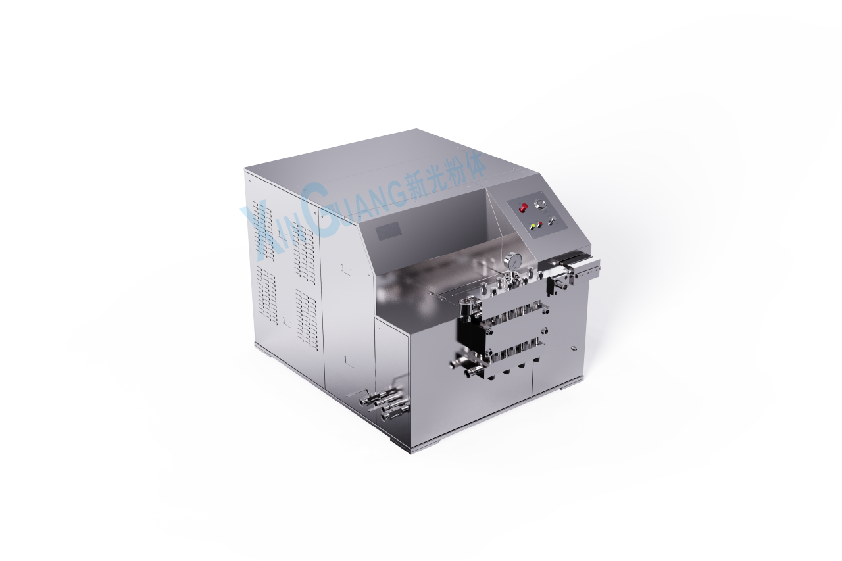
The surface of pure tin particles usually has irregularities. A specialized unit, such as the Chemical Etching System, is used to create hollow structures and nanosheets on the tin surface. This unit uses a chemical reaction to selectively etch the tin surface. The system consists of a reaction vessel, chemical reagents, and a stirring device. The nanostructured tin products are collected through centrifugation and subsequent drying processes. Pure tin with significant volume expansion potential can be transformed into a nanostructured form that exhibits improved cycling stability.
Encapsulation within a Conductive Matrix = Improve Electrical Conductivity and Buffer Volume Change (usually for tin-based composites)
While it is possible to nanostructure tin-based composites, due to the high cost of some matrix materials used in the encapsulation process, minimizing material waste is crucial. To achieve this, a process involving in – situ polymerization or physical mixing is carried out. Encapsulation can be achieved either by polymerizing conductive polymers around tin particles through in – situ polymerization or by physically mixing tin with carbon materials followed by heat treatment. The In – situ Polymerization Reactor and the High – Speed Mixer are often used for these processes. In the in – situ polymerization process, monomer solutions are introduced into a reaction vessel containing tin particles, and polymerization is initiated under specific conditions. In the high – speed mixing process, tin and carbon materials are mixed at high speeds, promoting intimate contact and bonding between the components. Both processes can be precisely controlled to optimize the encapsulation effect.
Surface Treatment
Coating for Interface Control
A coating process is widely used to enhance the performance of both pure tin and tin-based composites. Tin particles after nanostructuring often have a high surface reactivity. To stabilize the interface and control reactivity, materials such as conductive polymers, metal oxides, or carbon nanotubes are coated onto the surface. This process typically utilizes the Dip Coating System and/or the Spray Coating Machine.
Improving Wettability for Solvent Compatibility
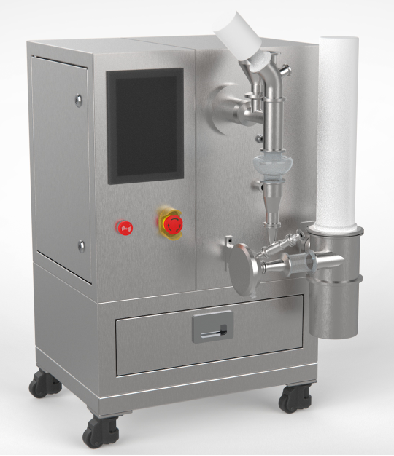
Tin has poor wettability with many solvents, which poses challenges in slurry preparation. Organic solvents can be used, but they raise environmental and safety concerns. Therefore, water – soluble surfactants or polymers are often used to improve the wettability of tin particles. Another approach is to modify the surface chemistry of tin using plasma treatment. For example, by exposing tin particles to a plasma containing fluorine or oxygen species in a Plasma Treatment Chamber, functional groups can be introduced to the surface, improving its wettability. In some cases, the wettability can be further enhanced by coating nanoparticles with good dispersibility in solvents onto the tin surface using these treatment units. To evaluate the wettability improvement, the Contact Angle Meter can be employed.
For other surface treatment applications, these units can coat nanoparticles onto tin particles to enhance charge/discharge rates and cycling stability, as well as apply binder particles to the tin particle surface to increase the adhesion between particles and current collectors, thereby maintaining stable battery performance under various discharge conditions.
Related Products