First, the active materials of secondary batteries are mixed with binders and/or solutions. Subsequently, the mixture is applied to the aluminum foil (cathode) or copper foil (anode) of the current collector. After the drying process, the material is processed to increase the bulk density and ultimately becomes an electrode. In this passage, the production process of anode active materials (materials that incorporate lithium ions during the charging process and release electrons during the electrical discharging process) will specifically introduce silicon-based materials. Silicon-based materials can be classified into two categories: elemental silicon and silicon compounds.
Compared to silicon compounds, elemental silicon has a higher theoretical specific capacity. This enables elemental silicon to store more lithium ions, thereby contributing to an increase in battery capacity. However, due to the large volume expansion of elemental silicon during the lithium insertion and extraction process, it often leads to severe structural damage to the electrode. As a result, the cycling stability of the battery is significantly reduced. Additionally, elemental silicon has relatively poor electrical conductivity, which makes it challenging to efficiently transfer electrons during the charge and discharge processes. If these drawbacks of elemental silicon can be addressed, its advantage of high theoretical capacity and the potential to increase the capacity of lithium-ion batteries could be highly beneficial for the electronics industry.
Regarding solutions to these problems, nanostructuring and composite formation can effectively improve cycling stability and electrical conductivity respectively. On the other hand, the synthesis of silicon compounds usually requires complex chemical processes and high-purity raw materials, making the production cost relatively high. Also, compared to elemental silicon, the theoretical specific capacity of silicon compounds is lower. Nevertheless, silicon compounds exhibit better structural stability during the charge and discharge cycles. Due to their stable chemical structure, they can effectively suppress side reactions with the electrolyte. From these properties, the utilization of silicon compounds can enhance the cycling stability of electrodes, leading to more reliable batteries. During the production process of silicon compounds, advanced material synthesis techniques are required at each processing stage. To improve the performance of active materials, precisely controlling the composition and structure of materials is of utmost importance. Since silicon-based materials have a certain degree of reactivity with some solvents, choosing appropriate solvents for slurry preparation is crucial. Although some polar solvents can be used to prepare slurries, they may pose safety risks. Therefore, developing safe and effective solvent systems is a norm.
Nanostructuring:
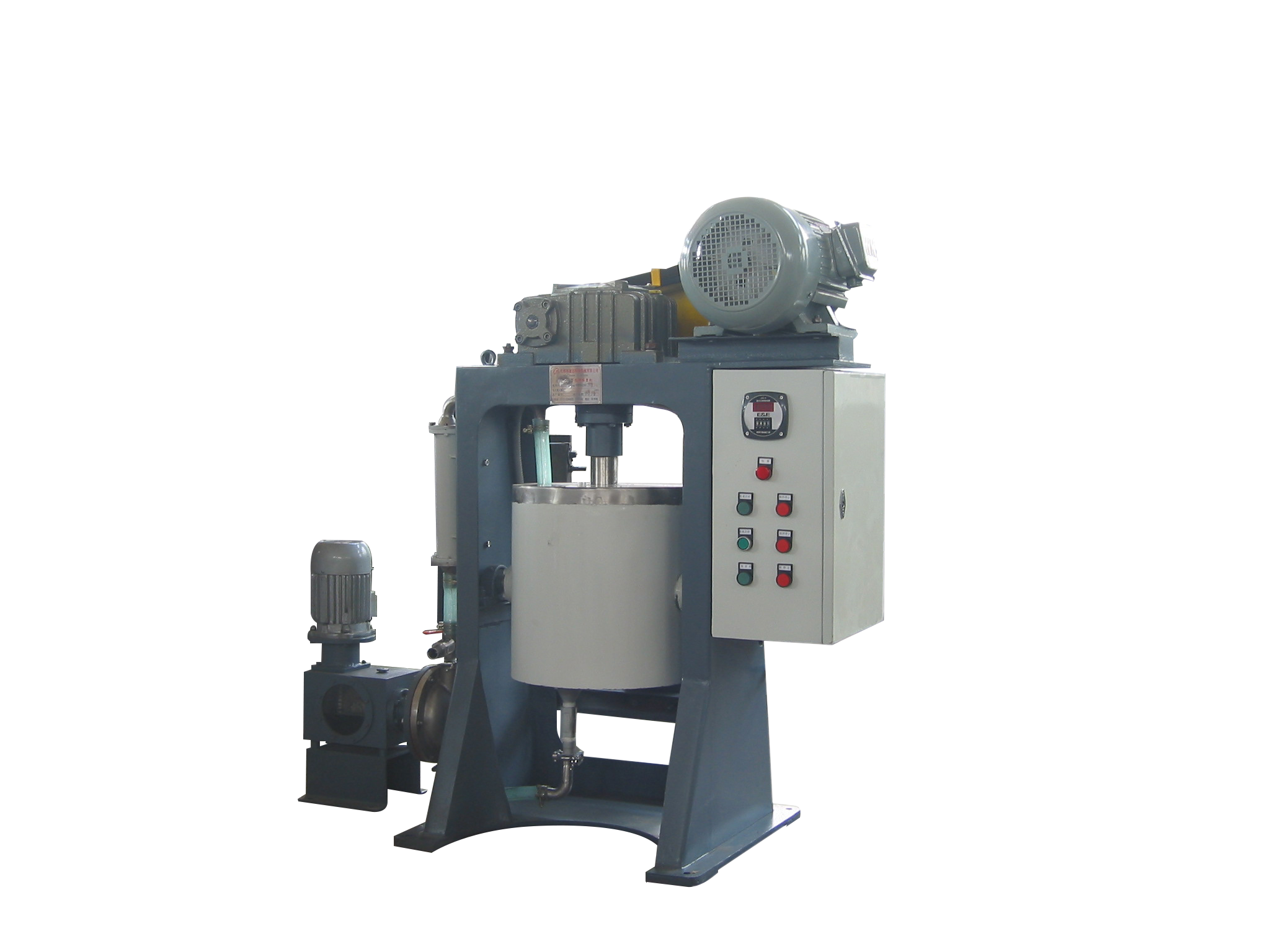
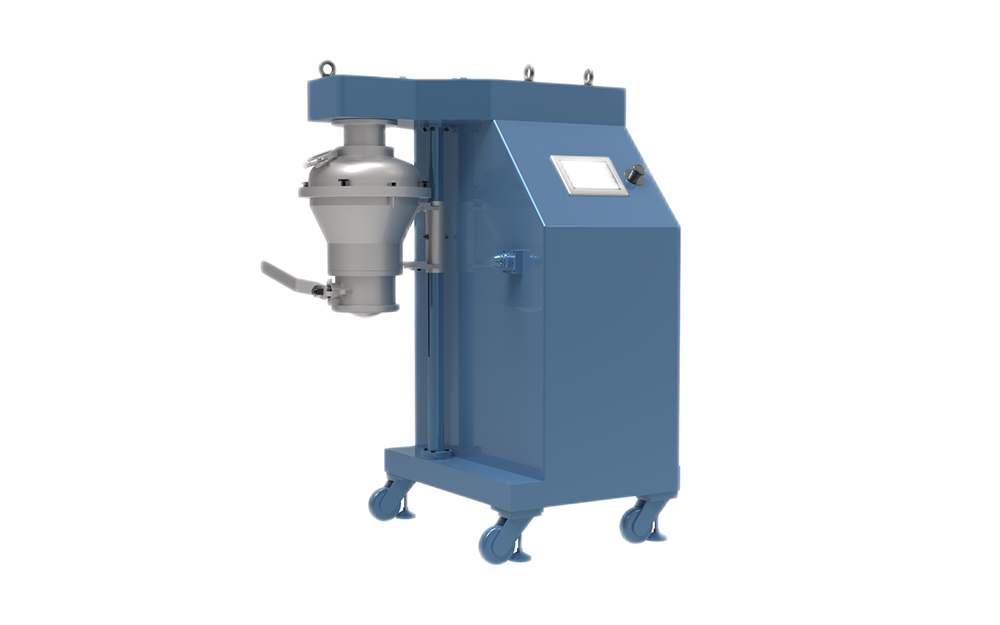
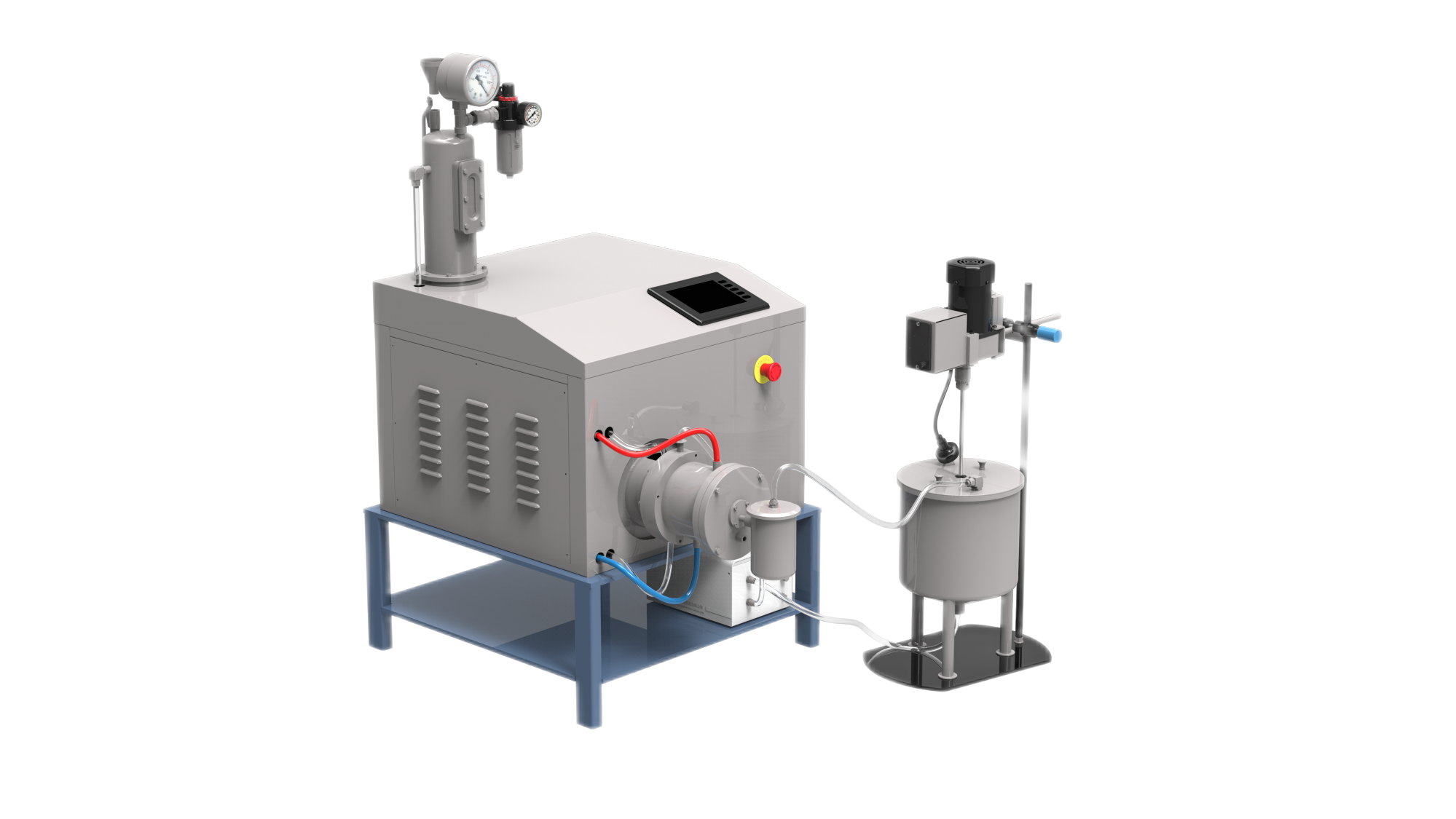
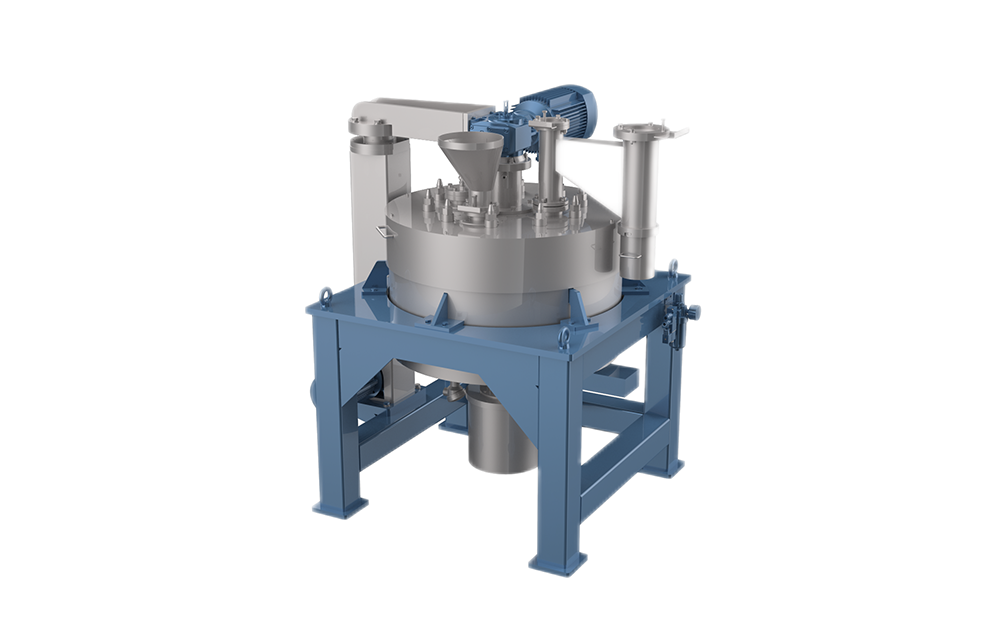
For the preparation of high – performance silicon-based anodes, nanostructuring is often necessary to mitigate volume expansion. In this case, a bottom-up approach such as chemical vapor deposition (CVD) or a top-down approach like ball milling can be employed. First, in the CVD process, silicon-containing gas precursors decompose on a substrate, gradually forming silicon nanostructures. In ball milling, large silicon particles are ground into nanoparticles under the impact of milling balls. Then, a combination of size separation techniques such as centrifugation and filtration is used to obtain silicon nanoparticles with a relatively uniform size distribution.
Composite formation to improve electrical conductivity:
There are two common methods to enhance the electrical conductivity of silicon-based anodes and improve battery performance. One method commonly used for elemental silicon is to combine it with conductive carbon materials such as graphene or carbon nanotubes. The other method is to synthesize silicon-based composites with other high-conductivity metal oxides. When referring to silicon-carbon composites, the first method is usually implied.
Mixing with conductive carbon materials = improving electrical conductivity (commonly used for elemental silicon):
Elemental silicon particles have relatively poor electrical conductivity. Incorporating conductive carbon materials can significantly enhance the electron transfer efficiency. This process typically involves dispersing silicon particles and carbon materials in a suitable solvent, followed by ultrasonic treatment to ensure uniform mixing. Then, the mixture is dried and heat-treated to strengthen the interaction between silicon and carbon. For example, by mixing silicon nanoparticles with graphene oxide and then reducing graphene oxide to graphene through thermal treatment, a silicon-graphene composite with excellent electrical conductivity can be obtained.
Synthesis of composites with metal oxides = improving cycling stability (commonly used for silicon compounds and some silicon-carbon composites):
Although compared to elemental silicon, silicon compounds have better cycling stability, further improvement is still desirable. To this end, composites of silicon compounds with metal oxides are synthesized. This is usually achieved through chemical co-precipitation or sol-gel methods. In the chemical co-precipitation method, metal salts and silicon-containing precursors are dissolved in a solvent. Then, a precipitant is added to simultaneously precipitate metal hydroxide and silicon-containing compounds. After filtration, washing, and heat treatment, silicon compound-metal oxide composites are obtained. In the sol-gel method, metal alkoxides and silicon alkoxides are hydrolyzed and condensed to form a gel-like precursor, which is then heat-treated to obtain the composite material. Both methods can precisely control the composition and structure of the composites.
Surface modification:
Coating for structure stabilization:
Both elemental silicon and silicon compounds can benefit from surface coating processes. Silicon-based materials with a high surface area are prone to side reactions with the electrolyte. To stabilize the structure, materials such as polymers, inorganic salts, or metal oxides are coated on the surface. This process often utilizes techniques such as spin coating, dip coating, or atomic layer deposition (ALD).
Hydrophilic modification for water-based solvent application:
Silicon-based materials generally have poor wettability with water, making it difficult to prepare slurries using water-based solvents. Organic solvents can be used to prepare slurries, but they face issues such as environmental pollution and high volatility. Therefore, hydrophilic modification of silicon-based materials is commonly carried out. One approach is to graft hydrophilic functional groups onto the surface of silicon-based materials through chemical reactions. Another method is to coat the surface with hydrophilic polymers. To evaluate the hydrophilicity, contact angle measurements can be conducted.
For other surface modification references, these techniques can be used to coat silicon-based materials with functional nanoparticles to enhance the rate performance and coulombic efficiency. Additionally, appropriate binders can be applied to improve the adhesion between particles and the current collector, maintaining stable battery performance during long-term cycling.
Related Products